

 Language




Summer storms bring a hidden risk that many EV owners overlook: moisture in the charging port. While modern EVs are designed with sealed connectors and drainage channels, the area around the port door remains vulnerable. Rain, splashes from puddles, and even high-pressure car washes can force water into the gap between the port and its cover. Once moisture reaches the pins, corrosion begins—silently, and often unnoticed until charging performance degrades.
Why Corrosion Matters More Than a Wet Charge
A wet charging session usually isn't dangerous—EV charging systems include insulation monitoring and will refuse to start if a fault is detected. The real damage happens over time. Water that lingers on the connector pins causes corrosion, which increases electrical resistance. That resistance generates heat during charging, and repeated heat cycles can melt connectors, damage the port assembly, and lead to charging failures. By the time the problem shows up, the repair bill is far larger than the cost of prevention.
The Silicone Cap Solution
The simplest defense costs very little. Aftermarket silicone caps and port seals are designed to fit specific EV models, closing the gap around the charge port door that the factory cover leaves exposed. They're flexible, don't crack in temperature extremes, and install without tools—press or slide into place in seconds. For owners who park outdoors, live in humid or coastal climates, or drive through frequent rain, a silicone cap adds a layer of protection that the factory seal alone doesn't provide. Some charging equipment manufacturers have even patented similar silicone-cap sealing designs to achieve higher dust and water resistance ratings.
What to Do Before Every Wet-Weather Charge
The habits matter more than the gadget. Before connecting on a rainy day, check the port and the charging gun for water or debris, and wipe them dry with a cloth. Carry the gun with the tip angled down so water can't run into it. Choose a charging spot on higher ground with no standing water, and avoid charging during thunderstorms or heavy downpours. When you finish, close the port cover immediately after unplugging. None of this takes more than a minute—and it's the difference between a reliable charge and a repair bill.
-
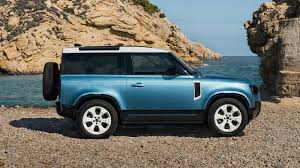 Jan 30, 2026CRUKING exported one BLUETRIP E7 New Energy SUV to Sweden.On July 31, 2025, CRUKING exported one EURASIAEV E7 New Energy SUV to Sweden.The main specifications of EURASIAEV E7 New Energy SUV:Rated power: 160 kWBattery capacity: 68 kWhVehicle size: 4720×1885×1710 mmDriving range (WLTP): 480 kmCharging time: Fast charge 35 min (20%–80%)Drive type: Front-wheel driveTotal vehicle weight: 1760 KGColor: Midnight Black
-
Jan 27, 2026CRUKING exported one EURASIAEV EX5 electric SUV to NorwayOn July 31, 2025, CRUKING exported one EURASIAEV EX5 electric SUV to Norway.The main specifications of EURASIAEV EX5 electric SUV:Rated power: 150 kWBattery capacity: 60 kWhVehicle size: 4450×1830×1680 mmDriving range (NEDC): 420 kmCharging time: Fast charge 30 min (30%–80%)Drive type: Front-wheel driveTotal vehicle weight: 1580 KGColor: Pearl White
-
Jan 27, 2026CRUKING exported one EURASIAEV X7 electric SUV to the United Arab EmiratesOn July 31, 2025, CRUKING exported one EURASIAEV X7 electric SUV to the United Arab Emirates.The main specifications of EURASIAEV X7 electric SUV:Rated power: 180 kWBattery capacity: 72 kWhVehicle size: 4680×1900×1705 mmDriving range (WLTP): 505 kmCharging time: Fast charge 28 min (30%–80%)Drive type: All-wheel drive (AWD)Total vehicle weight: 1780 KGColor: Sky Blue

-
Jan 27, 2026CRUKING exported one EURASIAEV E7 New Energy SUV to Sweden.On July 31, 2025, CRUKING exported one EURASIAEV E7 New Energy SUV to Sweden. The main specifications of EURASIAEV E7 New Energy SUV:Rated power: 160 kWBattery capacity: 68 kWhVehicle size: 4720×1885×1710 mmDriving range (WLTP): 480 kmCharging time: Fast charge 35 min (20%–80%)Drive type: Front-wheel driveTotal vehicle weight: 1760 KGColor: Midnight Black
-
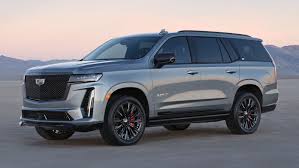 Jan 27, 2026CRUKING exported one EURASIAEV EX5 electric SUV to NorwayOn July 31, 2025, CRUKING exported one EURASIAEV EX5 electric SUV to Norway.The main specifications of EURASIAEV EX5 electric SUV:Rated power: 150 kWBattery capacity: 60 kWhVehicle size: 4450×1830×1680 mmDriving range (NEDC): 420 kmCharging time: Fast charge 30 min (30%–80%)Drive type: Front-wheel driveTotal vehicle weight: 1580 KGColor: Pearl White
-
Jan 27, 2026CRUKING exported one EURASIAEV X7 electric SUV to the United Arab EmiratesOn July 31, 2025, CRUKING exported one EURASIAEV X7 electric SUV to the United Arab Emirates.The main specifications of EURASIAEV X7 electric SUV:Rated power: 180 kWBattery capacity: 72 kWhVehicle size: 4680×1900×1705 mmDriving range (WLTP): 505 kmCharging time: Fast charge 28 min (30%–80%)Drive type: All-wheel drive (AWD)Total vehicle weight: 1780 KGColor: Sky Blue
-
 Jan 27, 2026Turning Service into PartnershipIn today’s business world, strong customer relationships are the cornerstone of lasting success. Beyond transactions, they create trust, loyalty, and shared growth. Key principles for building effective customer relationships include: Understanding Needs – Knowing customer challenges and goals allows tailored solutions that deliver real value. Responsive Communication – Fast, clear, and proactive interaction reassures customers that their concerns are prioritized. Reliability and Consistency – Consistent product quality and dependable support turn customers into long-term partners. Proactive Support – Anticipating issues and providing timely guidance reduces downtime and strengthens trust. Collaborative Growth – Treating customers as partners opens opportunities for innovation and mutual success. Strong customer relationships go beyond satisfaction—they become a strategic advantage. By investing in trust, responsiveness, and shared success, companies ensure not only retention but also new opportunities and sustainable growth.
-
 Jan 27, 2026The Heart of Sustainable SuccessIn today’s fast-paced business landscape, products and services are only part of the equation—strong customer relationships make the difference between short-term transactions and long-term partnerships. Companies that prioritize trust, transparency, and consistent engagement create loyal clients who return time and again. Key aspects of successful customer relationship management include: Active Listening – Understanding customer goals and challenges allows companies to provide solutions that truly meet their needs. Tailored Support – Personalized guidance and timely responses show customers they are valued beyond mere transactions. Proactive Collaboration – Anticipating potential issues and offering preventive solutions strengthens confidence and reliability. Continuous Engagement – Regular updates, training, and consultation help customers maximize the value of products and services. Shared Growth Vision – Viewing customers as partners fosters mutual success and opens opportunities for joint innovation. In essence, customer relationships are not just about satisfaction—they are about building trust, loyalty, and shared success. Companies that invest in nurturing these relationships create a strong foundation for long-term growth, resilience, and reputation.

Eurasia Vehicle Limited
 +86-731-8512-4438
 +86-731-8512-4438
 +86-173-6366-2671
+86-150-8099-7704
 export@eurasiaev.com
 Suite 35023, Tower T3, CFC Fuxing World Financial Center, No. 303, Section 1, Furong Middle Road, Kaifu District, Changsha, Hunan Province, China