

 Language



Summer heat is here, and for electric vehicle owners, that often means a familiar trade-off: stay cool or save range. Air conditioning can consume 15 to 20 kilometers of range per hour of operation, making it one of the biggest drains on your battery during hot weather. But with a few simple habits, you can keep your cabin comfortable without sacrificing mileage.
Vent First, Then Cool
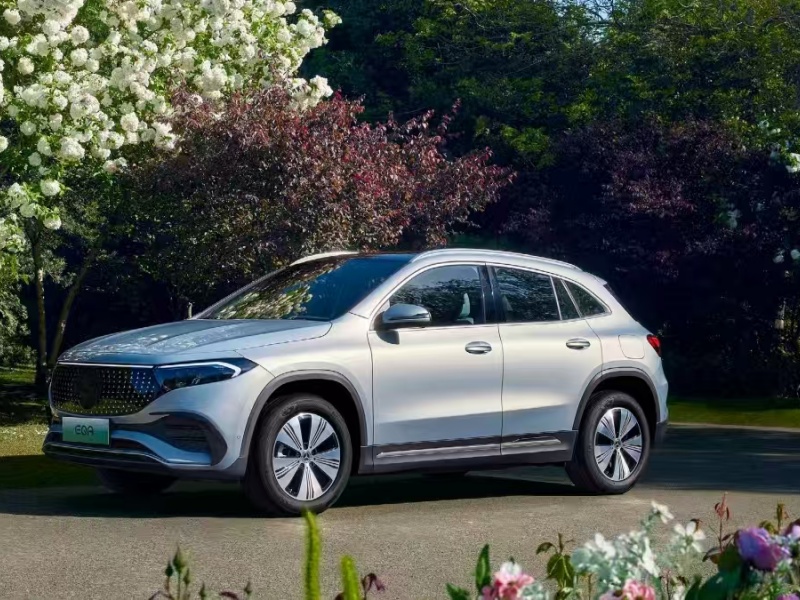
One of the most effective—and easiest—tricks is to roll down your windows for two to three minutes before switching on the AC. This allows the trapped hot air inside the cabin to escape, reducing the cooling system's workload. The result? About 30% less energy is needed to bring the interior down to a comfortable temperature.
Set the Right Temperature
Once the AC is on, aim for a cabin temperature between 24°C and 26°C (75°F to 78°F). Every degree you raise the thermostat saves roughly 5% of battery power. A good rule of thumb: keep the interior about 8°C cooler than the outside temperature—anything colder wastes energy without significantly improving comfort.
Small Habits, Longer Drives
AC use doesn't have to mean range anxiety. By venting hot air first, setting a sensible temperature, and avoiding overcooling, EV owners can extend their driving range while staying comfortable. These small adjustments cost nothing, require no tools, and make a noticeable difference on every summer trip.
-
 Jan 30, 2026CRUKING exported one BLUETRIP E7 New Energy SUV to Sweden.On July 31, 2025, CRUKING exported one EURASIAEV E7 New Energy SUV to Sweden.The main specifications of EURASIAEV E7 New Energy SUV:Rated power: 160 kWBattery capacity: 68 kWhVehicle size: 4720×1885×1710 mmDriving range (WLTP): 480 kmCharging time: Fast charge 35 min (20%–80%)Drive type: Front-wheel driveTotal vehicle weight: 1760 KGColor: Midnight Black
 -
Jan 27, 2026CRUKING exported one EURASIAEV EX5 electric SUV to NorwayOn July 31, 2025, CRUKING exported one EURASIAEV EX5 electric SUV to Norway.The main specifications of EURASIAEV EX5 electric SUV:Rated power: 150 kWBattery capacity: 60 kWhVehicle size: 4450×1830×1680 mmDriving range (NEDC): 420 kmCharging time: Fast charge 30 min (30%–80%)Drive type: Front-wheel driveTotal vehicle weight: 1580 KGColor: Pearl White
-
Jan 27, 2026CRUKING exported one EURASIAEV X7 electric SUV to the United Arab EmiratesOn July 31, 2025, CRUKING exported one EURASIAEV X7 electric SUV to the United Arab Emirates.The main specifications of EURASIAEV X7 electric SUV:Rated power: 180 kWBattery capacity: 72 kWhVehicle size: 4680×1900×1705 mmDriving range (WLTP): 505 kmCharging time: Fast charge 28 min (30%–80%)Drive type: All-wheel drive (AWD)Total vehicle weight: 1780 KGColor: Sky Blue

-
Jan 27, 2026CRUKING exported one EURASIAEV E7 New Energy SUV to Sweden.On July 31, 2025, CRUKING exported one EURASIAEV E7 New Energy SUV to Sweden. The main specifications of EURASIAEV E7 New Energy SUV:Rated power: 160 kWBattery capacity: 68 kWhVehicle size: 4720×1885×1710 mmDriving range (WLTP): 480 kmCharging time: Fast charge 35 min (20%–80%)Drive type: Front-wheel driveTotal vehicle weight: 1760 KGColor: Midnight Black
-
 Jan 27, 2026CRUKING exported one EURASIAEV EX5 electric SUV to NorwayOn July 31, 2025, CRUKING exported one EURASIAEV EX5 electric SUV to Norway.The main specifications of EURASIAEV EX5 electric SUV:Rated power: 150 kWBattery capacity: 60 kWhVehicle size: 4450×1830×1680 mmDriving range (NEDC): 420 kmCharging time: Fast charge 30 min (30%–80%)Drive type: Front-wheel driveTotal vehicle weight: 1580 KGColor: Pearl White
 -
Jan 27, 2026CRUKING exported one EURASIAEV X7 electric SUV to the United Arab EmiratesOn July 31, 2025, CRUKING exported one EURASIAEV X7 electric SUV to the United Arab Emirates.The main specifications of EURASIAEV X7 electric SUV:Rated power: 180 kWBattery capacity: 72 kWhVehicle size: 4680×1900×1705 mmDriving range (WLTP): 505 kmCharging time: Fast charge 28 min (30%–80%)Drive type: All-wheel drive (AWD)Total vehicle weight: 1780 KGColor: Sky Blue
-
 Jan 27, 2026Turning Service into PartnershipIn today’s business world, strong customer relationships are the cornerstone of lasting success. Beyond transactions, they create trust, loyalty, and shared growth. Key principles for building effective customer relationships include: Understanding Needs – Knowing customer challenges and goals allows tailored solutions that deliver real value. Responsive Communication – Fast, clear, and proactive interaction reassures customers that their concerns are prioritized. Reliability and Consistency – Consistent product quality and dependable support turn customers into long-term partners. Proactive Support – Anticipating issues and providing timely guidance reduces downtime and strengthens trust. Collaborative Growth – Treating customers as partners opens opportunities for innovation and mutual success. Strong customer relationships go beyond satisfaction—they become a strategic advantage. By investing in trust, responsiveness, and shared success, companies ensure not only retention but also new opportunities and sustainable growth.
 -
 Jan 27, 2026The Heart of Sustainable SuccessIn today’s fast-paced business landscape, products and services are only part of the equation—strong customer relationships make the difference between short-term transactions and long-term partnerships. Companies that prioritize trust, transparency, and consistent engagement create loyal clients who return time and again. Key aspects of successful customer relationship management include: Active Listening – Understanding customer goals and challenges allows companies to provide solutions that truly meet their needs. Tailored Support – Personalized guidance and timely responses show customers they are valued beyond mere transactions. Proactive Collaboration – Anticipating potential issues and offering preventive solutions strengthens confidence and reliability. Continuous Engagement – Regular updates, training, and consultation help customers maximize the value of products and services. Shared Growth Vision – Viewing customers as partners fosters mutual success and opens opportunities for joint innovation. In essence, customer relationships are not just about satisfaction—they are about building trust, loyalty, and shared success. Companies that invest in nurturing these relationships create a strong foundation for long-term growth, resilience, and reputation.

Eurasia Vehicle Limited
 +86-731-8512-4438
 +86-731-8512-4438
 +86-173-6366-2671
+86-150-8099-7704
 export@eurasiaev.com
 Suite 35023, Fuxing Times Financial Center T3, Dongfeng Road Street, Kaifu District, Changsha, Hunan, China