

 Language



Summer heat does more than drain your battery—it changes your tire pressure. As temperatures rise, the air inside your tires expands. For every 10°F increase in outside temperature, tire pressure goes up by approximately 1 PSI. A tire set to the correct pressure on a cool morning can be running 4-6 PSI above spec by a hot afternoon.
Check Pressure When Tires Are "Cold"
The most accurate reading comes when tires are at ambient temperature—ideally early morning before the sun hits the pavement, or after the vehicle has been parked in the shade for at least three hours. Checking and adjusting pressure during the heat of the day will give you a falsely high reading, leading you to under-inflate and compromise safety.
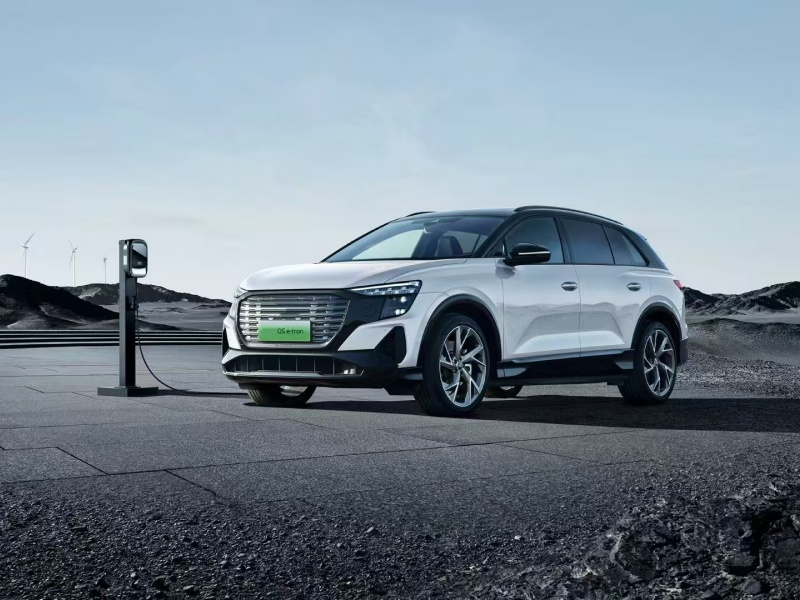
Use the Right Reference Point
Do not use the maximum pressure number printed on the tire sidewall. That figure is the tire's upper limit, not the recommended operating pressure for your vehicle. Instead, always refer to the tire pressure placard inside the driver's door jamb—that's the number your EV was engineered to run on.
Why It Matters for EVs
Electric vehicles are heavier than conventional cars due to their battery packs, which puts extra load on tires. Under-inflated tires reduce efficiency and can cut driving range—with some estimates showing a 0.2% drop in mileage for every 1 PSI below the recommended level. In summer heat, proper pressure isn't just about safety—it's about getting the most out of every charge.
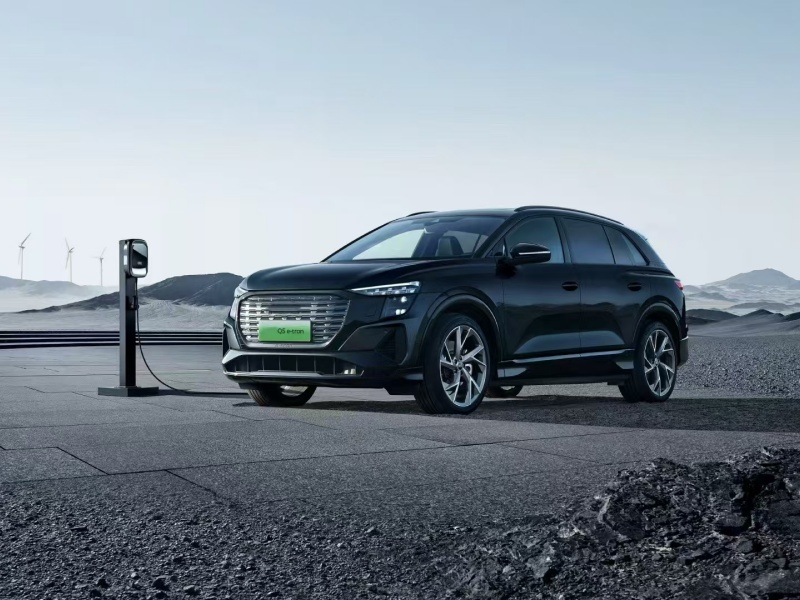
-
 Jan 30, 2026CRUKING exported one BLUETRIP E7 New Energy SUV to Sweden.On July 31, 2025, CRUKING exported one EURASIAEV E7 New Energy SUV to Sweden.The main specifications of EURASIAEV E7 New Energy SUV:Rated power: 160 kWBattery capacity: 68 kWhVehicle size: 4720×1885×1710 mmDriving range (WLTP): 480 kmCharging time: Fast charge 35 min (20%–80%)Drive type: Front-wheel driveTotal vehicle weight: 1760 KGColor: Midnight Black
 -
Jan 27, 2026CRUKING exported one EURASIAEV EX5 electric SUV to NorwayOn July 31, 2025, CRUKING exported one EURASIAEV EX5 electric SUV to Norway.The main specifications of EURASIAEV EX5 electric SUV:Rated power: 150 kWBattery capacity: 60 kWhVehicle size: 4450×1830×1680 mmDriving range (NEDC): 420 kmCharging time: Fast charge 30 min (30%–80%)Drive type: Front-wheel driveTotal vehicle weight: 1580 KGColor: Pearl White
-
Jan 27, 2026CRUKING exported one EURASIAEV X7 electric SUV to the United Arab EmiratesOn July 31, 2025, CRUKING exported one EURASIAEV X7 electric SUV to the United Arab Emirates.The main specifications of EURASIAEV X7 electric SUV:Rated power: 180 kWBattery capacity: 72 kWhVehicle size: 4680×1900×1705 mmDriving range (WLTP): 505 kmCharging time: Fast charge 28 min (30%–80%)Drive type: All-wheel drive (AWD)Total vehicle weight: 1780 KGColor: Sky Blue

-
Jan 27, 2026CRUKING exported one EURASIAEV E7 New Energy SUV to Sweden.On July 31, 2025, CRUKING exported one EURASIAEV E7 New Energy SUV to Sweden. The main specifications of EURASIAEV E7 New Energy SUV:Rated power: 160 kWBattery capacity: 68 kWhVehicle size: 4720×1885×1710 mmDriving range (WLTP): 480 kmCharging time: Fast charge 35 min (20%–80%)Drive type: Front-wheel driveTotal vehicle weight: 1760 KGColor: Midnight Black
-
 Jan 27, 2026CRUKING exported one EURASIAEV EX5 electric SUV to NorwayOn July 31, 2025, CRUKING exported one EURASIAEV EX5 electric SUV to Norway.The main specifications of EURASIAEV EX5 electric SUV:Rated power: 150 kWBattery capacity: 60 kWhVehicle size: 4450×1830×1680 mmDriving range (NEDC): 420 kmCharging time: Fast charge 30 min (30%–80%)Drive type: Front-wheel driveTotal vehicle weight: 1580 KGColor: Pearl White
 -
Jan 27, 2026CRUKING exported one EURASIAEV X7 electric SUV to the United Arab EmiratesOn July 31, 2025, CRUKING exported one EURASIAEV X7 electric SUV to the United Arab Emirates.The main specifications of EURASIAEV X7 electric SUV:Rated power: 180 kWBattery capacity: 72 kWhVehicle size: 4680×1900×1705 mmDriving range (WLTP): 505 kmCharging time: Fast charge 28 min (30%–80%)Drive type: All-wheel drive (AWD)Total vehicle weight: 1780 KGColor: Sky Blue
-
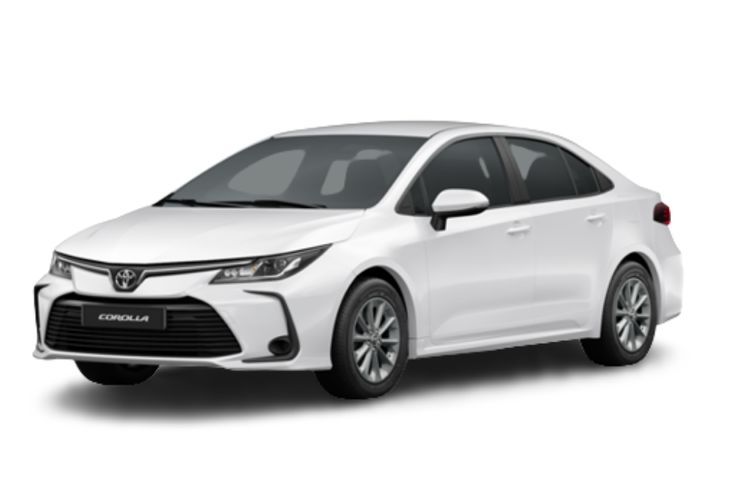 Jan 27, 2026Turning Service into PartnershipIn today’s business world, strong customer relationships are the cornerstone of lasting success. Beyond transactions, they create trust, loyalty, and shared growth. Key principles for building effective customer relationships include: Understanding Needs – Knowing customer challenges and goals allows tailored solutions that deliver real value. Responsive Communication – Fast, clear, and proactive interaction reassures customers that their concerns are prioritized. Reliability and Consistency – Consistent product quality and dependable support turn customers into long-term partners. Proactive Support – Anticipating issues and providing timely guidance reduces downtime and strengthens trust. Collaborative Growth – Treating customers as partners opens opportunities for innovation and mutual success. Strong customer relationships go beyond satisfaction—they become a strategic advantage. By investing in trust, responsiveness, and shared success, companies ensure not only retention but also new opportunities and sustainable growth.
 -
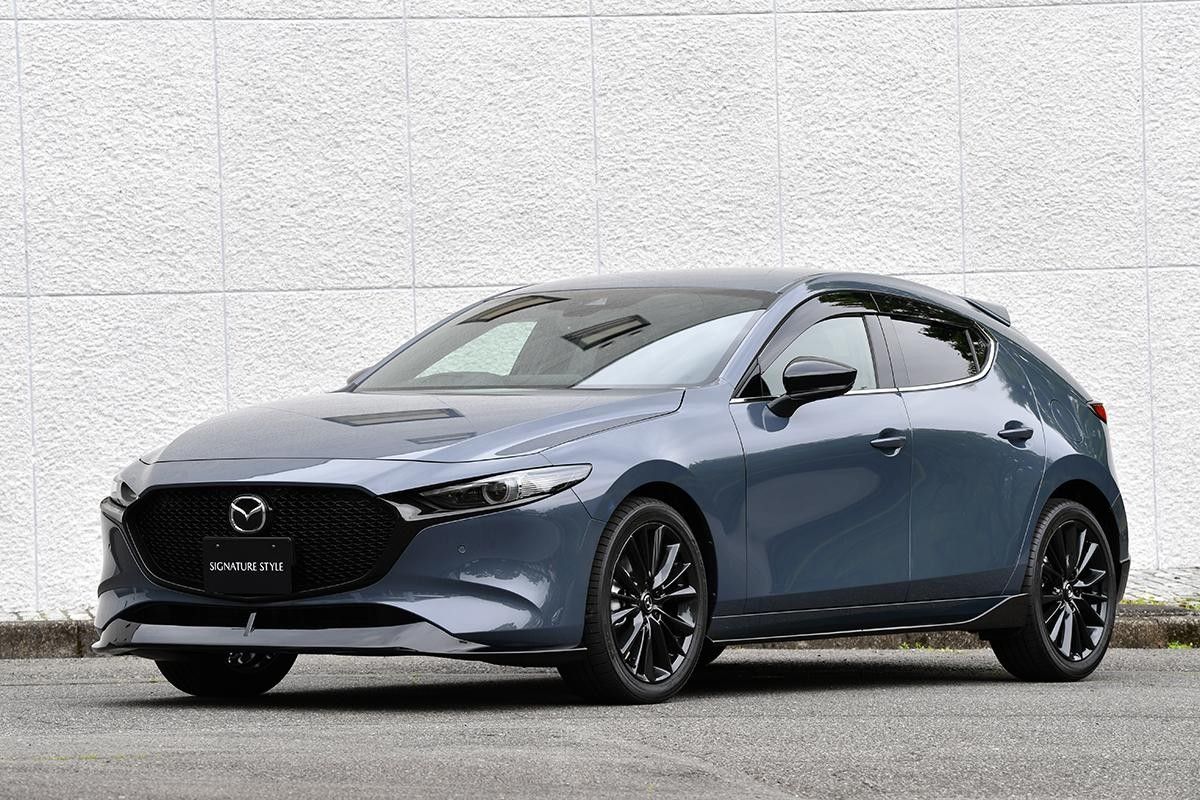 Jan 27, 2026The Heart of Sustainable SuccessIn today’s fast-paced business landscape, products and services are only part of the equation—strong customer relationships make the difference between short-term transactions and long-term partnerships. Companies that prioritize trust, transparency, and consistent engagement create loyal clients who return time and again. Key aspects of successful customer relationship management include: Active Listening – Understanding customer goals and challenges allows companies to provide solutions that truly meet their needs. Tailored Support – Personalized guidance and timely responses show customers they are valued beyond mere transactions. Proactive Collaboration – Anticipating potential issues and offering preventive solutions strengthens confidence and reliability. Continuous Engagement – Regular updates, training, and consultation help customers maximize the value of products and services. Shared Growth Vision – Viewing customers as partners fosters mutual success and opens opportunities for joint innovation. In essence, customer relationships are not just about satisfaction—they are about building trust, loyalty, and shared success. Companies that invest in nurturing these relationships create a strong foundation for long-term growth, resilience, and reputation.

Eurasia Vehicle Limited
 +86-731-8512-4438
 +86-731-8512-4438
 +86-173-6366-2671
+86-150-8099-7704
 export@eurasiaev.com
 Suite 35023, Fuxing Times Financial Center T3, Dongfeng Road Street, Kaifu District, Changsha, Hunan, China